


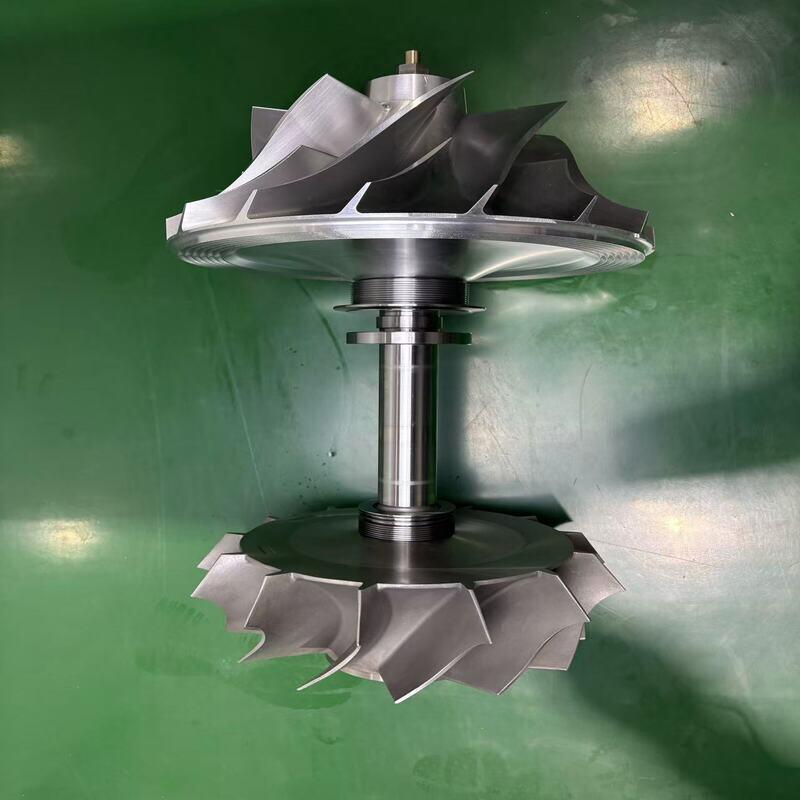
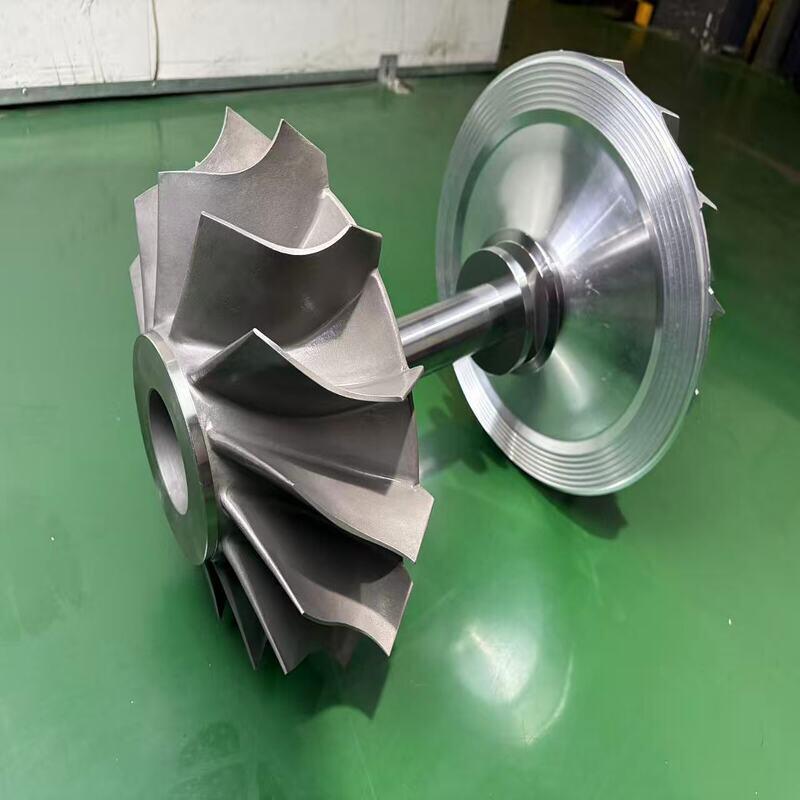
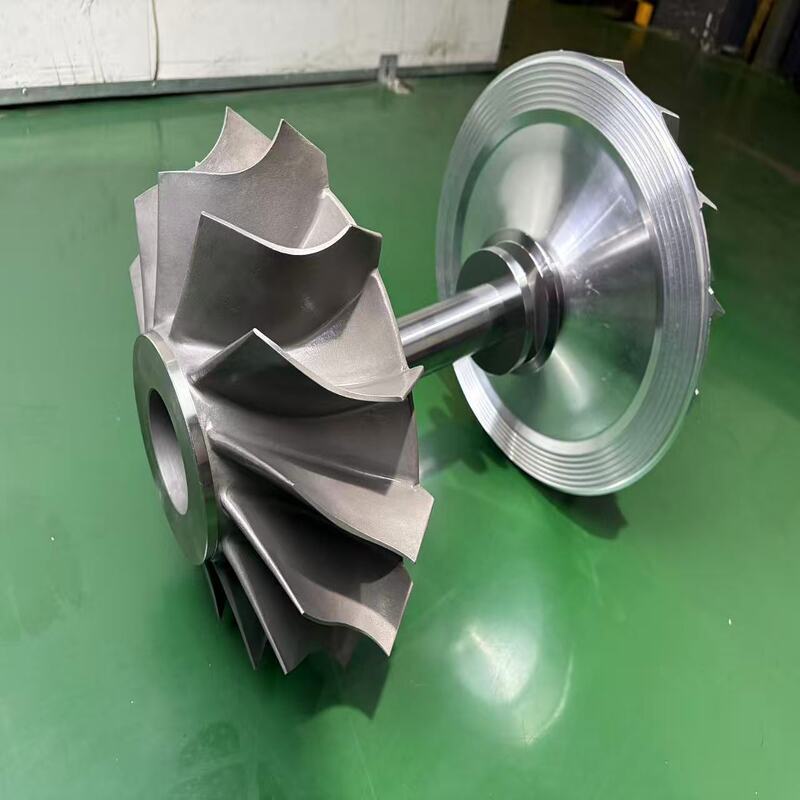
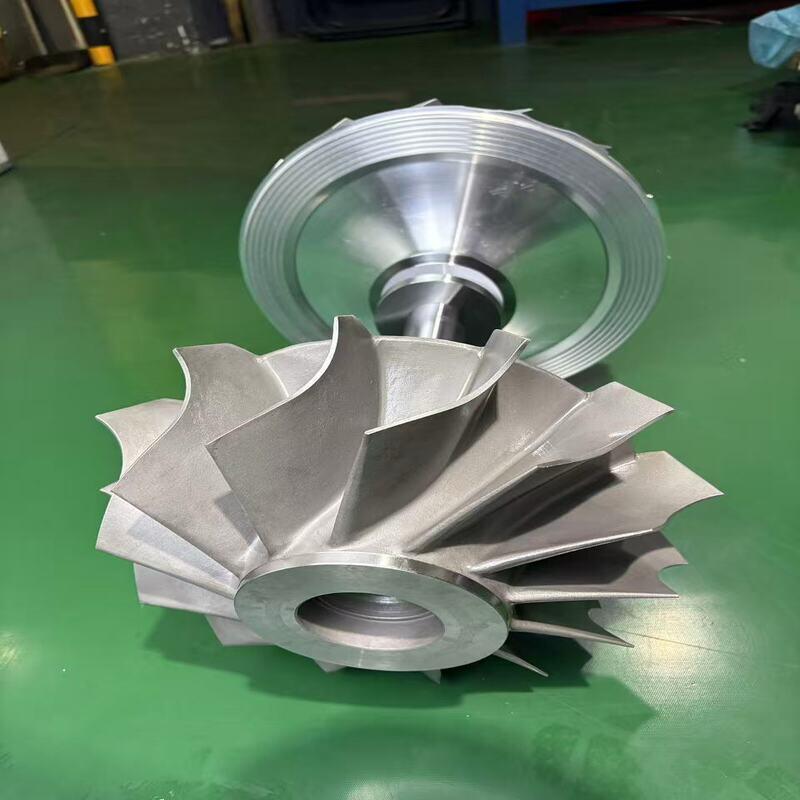
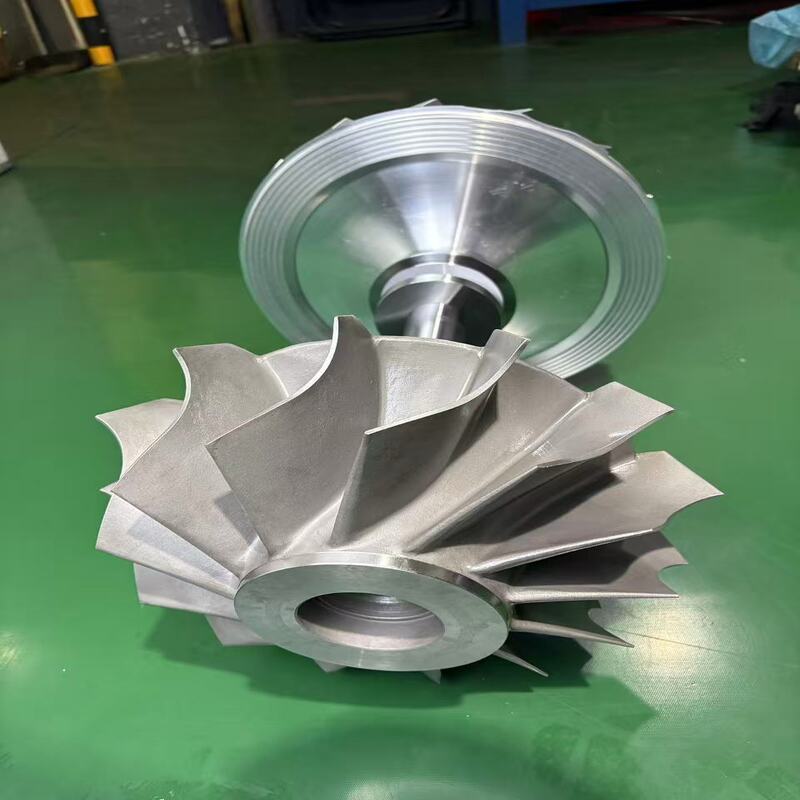
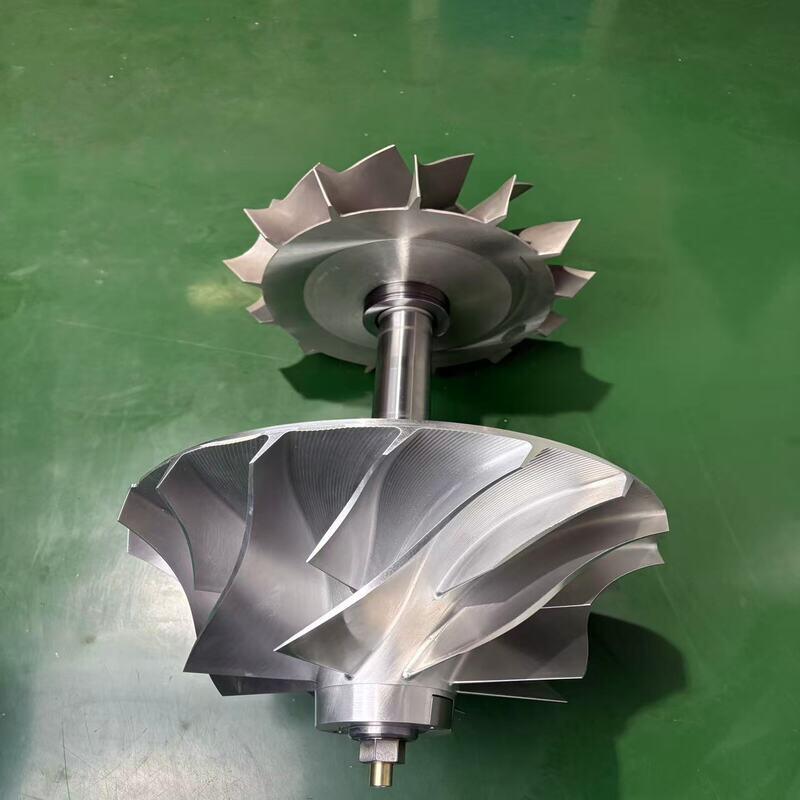
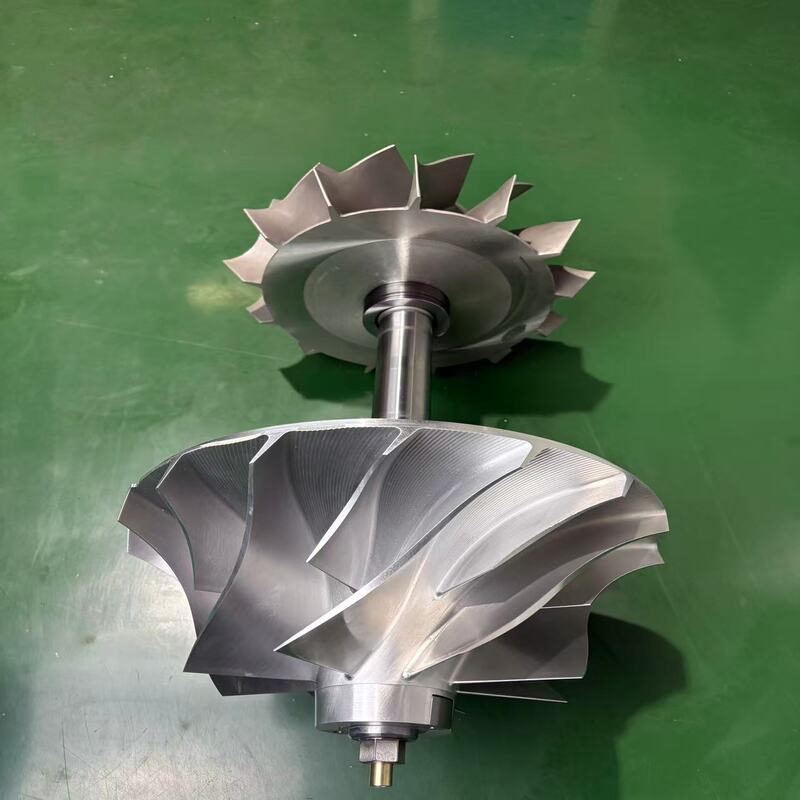
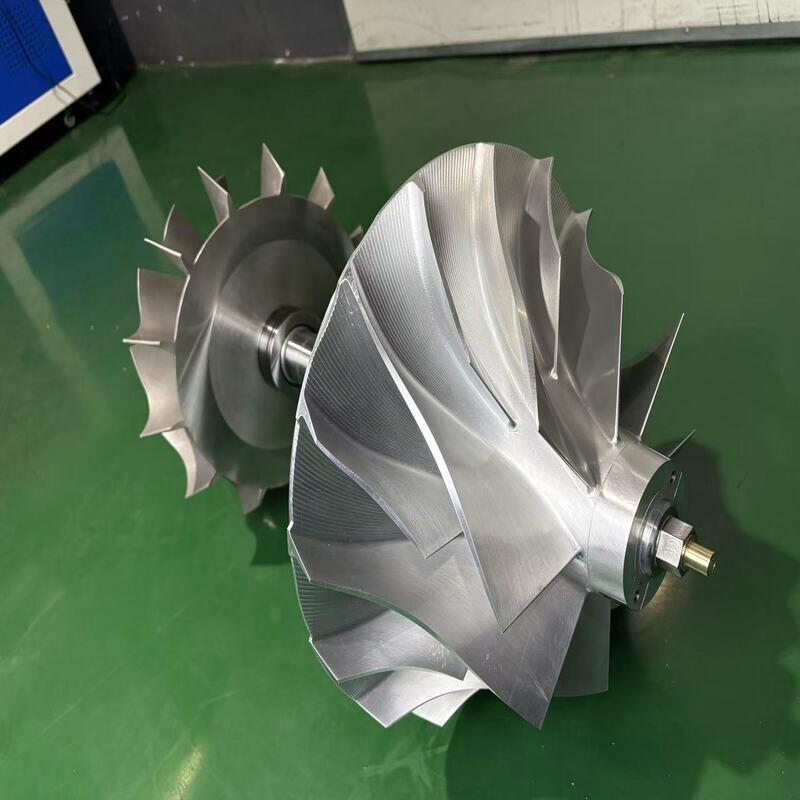
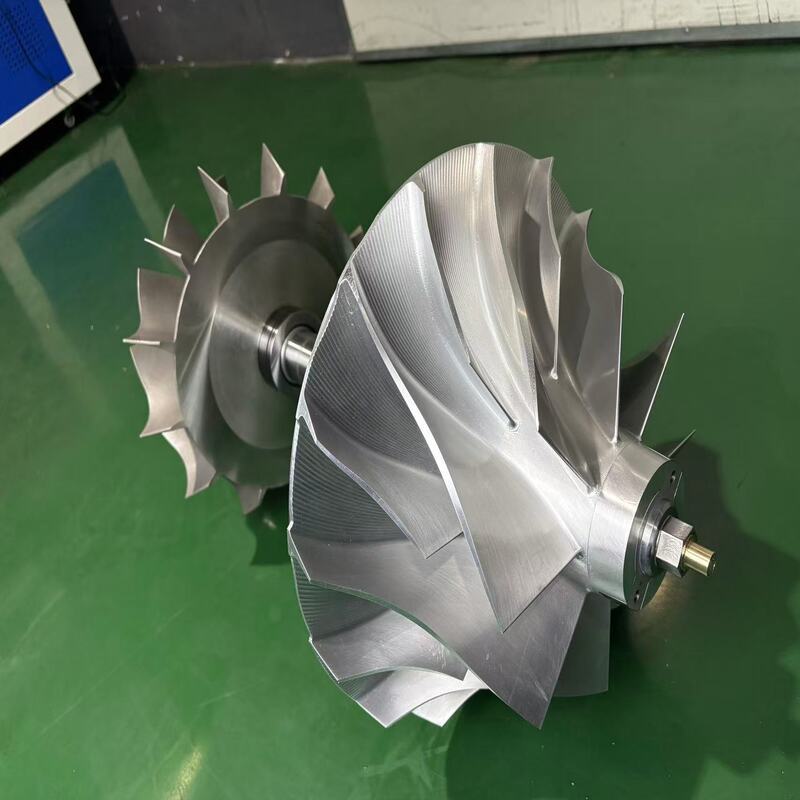



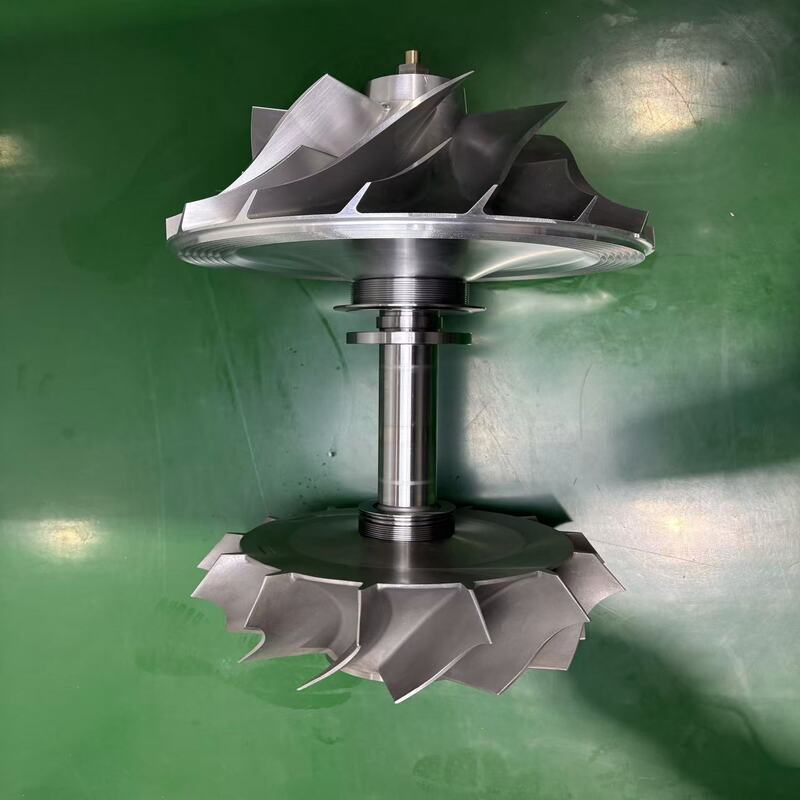
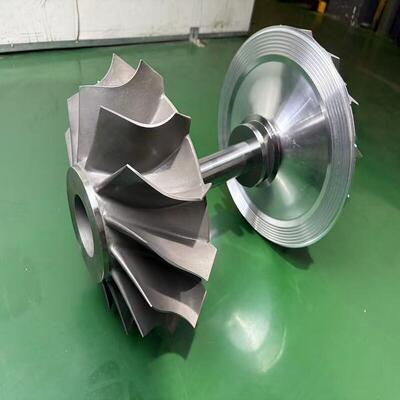
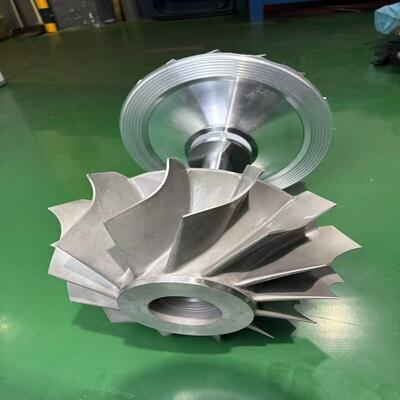
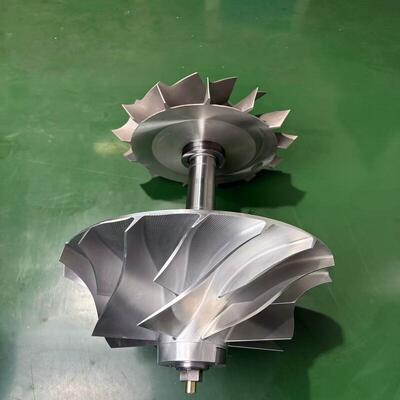
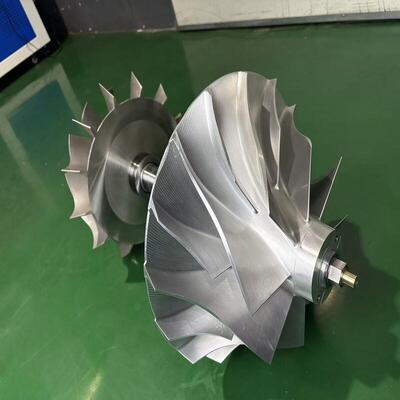
| Tipo di rotore: | Gruppo completo con albero e giranti | Materiale dell'albero: | Acciaio legato forgiato 42CrMo4 |
|---|---|---|---|
| Materiale della girante: | Acciaio inossidabile 304 o 316 | Max Operating Speed: | 20000 giri/min. |
| Grado di equilibrio: | G2.5 secondo ISO 1940 | Norma di ispezione: | Test di bilanciamento dinamico al 100% e colorante penetrante |
Il nostro rotore di alta velocità è un'unità rotabile pronta per l'installazione progettata per applicazioni di motori e turbine.cuscinetti pre-montati, e elementi di bilanciamento in un unico gruppo testato in fabbrica. Ogni unità è bilanciata dinamicamente secondo ISO G2.5 o superiore, verificata a velocità di funzionamento per garantire vibrazioni ultrabasse,durata prolungata del cuscinettoRealizzato in acciaio elettrico di alta qualità e materiali per l'albero in lega, l'assemblaggio completo del rotore riduce al minimo gli errori di assemblaggio, elimina l'equilibrio in loco,e riduce i tempi di fermo di manutenzione. Adatto per motori elettrici AC/DC, turbine a vapore, turbine a gas e fusi ad alta velocità, questo assemblaggio è adattato alle vostre esigenze di coppia, velocità e montaggio.Se hai bisogno di un rotore di sostituzione standard o un rotore su misura, il nostro rotore completo in un pezzo offre prestazioni prevedibili e una messa in servizio più veloce.rumore più bassoTutti gli assemblaggi sono sottoposti a ispezione dimensionale, controllo di finitura superficiale e test di scarico dinamico prima della spedizione,assicurando l'utilizzazione immediata della linea di produzione.
Quando un rotore viene acquistato come componenti separati e assemblato in loco, il rotore viene utilizzato per la costruzione di un nuovo rotore.variazioni della tolleranza di adattamento, l'allineamento e la precisione di bilanciamento spesso introducono eccentricità e squilibrio di massa, che generano forze radiali eccessive, con conseguente usura prematura del cuscinetto, perdita di tenuta, stanchezza dell'albero,e persino la risonanza strutturaleIn applicazioni per motori e turbine, anche un leggero squilibrio può causare perdita di energia, surriscaldamento e rumore amplificato.Le squadre di manutenzione spesso hanno difficoltà con rotori di sostituzione incoerenti che richiedono un test di montaggio che richiede tempo e ripetuti tentativi di bilanciamentoQueste sfide aumentano il rischio operativo, aumentano l'inventario di ricambi e prolungano il tempo di fermo macchina.la stabilità ripetibile ad alta velocità e l'affidabilità a lungo termine sono significativamente più difficili, specialmente sotto carico variabile e cicli di lavoro continui.
Risolviamo questi problemi fornendo rotori completi completamente integrati che sono dinamicamente bilanciati e testati al 100% prima della spedizione.e cuscinetti, assembliamo, alliniamo e bilanciamo l'intera unità rotante in condizioni di fabbrica controllate.e l'insieme è bilanciato su un bilanciatore di precisione a velocità operativa o a velocità equivalente convalidataQuesto approccio elimina la variabilità dell'assemblaggio in loco, garantisce la concentricità e garantisce che gli squilibri residui restino entro i limiti ISO G2.5 o specificati dall'utente.Perché ogni rotore assemblaggio completo arriva chiavi in mano, il tuo team lo installa semplicemente nello statore o nell'alloggiamento, riducendo il tempo di messa in servizio fino a 70%.e le estensioni dell'albero possono essere adattate alle vostre attrezzatureCon la tracciabilità dei lotti, i rapporti di bilanci certificati e i documenti di conformità dimensionale, i nostri rotori completati offrono qualità ripetibile e costi di ciclo di vita più bassi,rendendoli ideali sia per la produzione OEM che per le sostituzioni MRO.
| Parametro | Dettagli |
|---|---|
| Tipo di rotore | Cage di scoiattolo, rotore a ferita, rotore a magnete permanente, rotore a disco della turbina |
| Materiale di base | 50W470 / 50W600 / 35W250 acciaio elettrico, qualità personalizzate disponibili |
| Materiale dell'albero | 42CrMo, 40Cr, 304/316 acciaio inox, acciaio legato |
| Intervallo di diametro esterno | 80 mm ¥ 1500 mm (standard), più grande su richiesta |
| Intervallo di diametro dell'albero | 20 mm ¥ 300 mm |
| Lunghezza del nucleo | 100 mm ️ 3000 mm |
| Grado di bilanciamento | G6.3G2.5, G1.0 (ISO 1940-1) |
| Velocità massima di funzionamento | Fino a 30 000 giri al minuto (a seconda del diametro) |
| Tolleranza dei cuscinetti | H7/k6 o per disegno |
| Flusso (albero e nucleo) | ≤ 0,02 mm |
| Metodo di bilanciamento | bilanciamento dinamico a due piani con correzione mediante trivellazione, fresatura o aggiunta di peso |
| Test e documentazione | Relazione di bilancio, relazione di ispezione dimensionale, certificato di materiale |
| Personalizzazione | Capo, costole di raffreddamento, condotti di ventilazione radiali, rivestimenti, interfaccia del disco ristretto, bersagli dei sensori |
| Imballaggio | Cassa di legno di qualità per l'esportazione con protezione anticorrosione |
Motori elettrici ad alta velocità e a media tensione
Motori industriali e servomotori AC/DC
Turbine a vapore e motori ausiliari per turbine a gas
Moduli di rotore a turbocompressore
Altri apparecchi per la produzione di energia elettrica
Fuse per macchine utensili ad alta velocità
di altezza superiore a 600 mm
Motori di trazione per veicoli ferroviari ed elettrici
Altri apparecchi per la trasmissione di energia elettrica
Qualsiasi apparecchiatura rotante che richieda un'unità rotore core-shaft bilanciata
Un rotore completo converte l'energia elettromagnetica o fluida in rotazione meccanica.Quando lo statore genera un campo magnetico rotante, induce corrente nei conduttori del rotore, creando coppia elettromagnetica che fa girare il rotore e il suo asse integrato.gas o vapore ad alta pressione che colpiscono le lame fissate al disco del rotoreL'albero, sostenuto da cuscinetti, trasmette coppia al carico accoppiato.la massa rotante rimane stabile anche ad alta velocitàIl processo di bilanciamento compensa l'asimmetria della massa residua, riducendo al minimo le forze centrifughe e le vibrazioni.I cuscinetti montati in anticipo con il giusto spazio libero e precarico garantiscono una rotazione liscia e un ridotto attrito. possono essere incorporate funzioni di raffreddamento, quali condotti radiali o lame di ventilatore integrate, per gestire l'espansione termica e mantenere il rotore entro limiti di temperatura sicuri,preservare l'uniformità dell'intervallo d'aria e prevenire l'inclinazione termicaQuesta progettazione integrata garantisce una trasmissione di potenza efficiente, un minor rumore e una durata di funzionamento più lunga in servizio continuo.
Definire i parametri della macchina: conoscere la potenza nominale (kW), la velocità nominale (RPM) e la frequenza di alimentazione (Hz) del motore o della turbina.
Determinare il tipo di rotore: scegliere una gabbia da scoiattolo per i robusti motori a induzione, un rotore a curvatura per il controllo dello scivolamento, un magnete permanente per macchine sincrone ad alto rendimento o un disco di turbina per gli azionamenti delle turbine.Indicare, se possibile, il disegno o il codice originale del fabbricante.
Selezionare i materiali del nucleo e dell'albero: abbinare la qualità dell'acciaio elettrico al vostro obiettivo di efficienza e classe termica.richiedere alberi in acciaio inossidabile o in acciaio legato.
Indicare le interfacce meccaniche: confermare il diametro dell'albero, le dimensioni della chiavetta, le dimensioni del giornale del cuscinetto e il tipo/denominazione del cuscinetto.Requisiti di montaggio di codificatori.
Impostazione dei requisiti di bilanciamento: per applicazioni ad alta velocità (superiori a 3000 giri al minuto), specificare ISO G2.5 o G1.0Per i motori industriali generali, G6.3 può essere accettabile.
Affrontare il raffreddamento e la protezione: se il rotore funziona in un ambiente sigillato o ad alto livello di temperatura, discutere di condotti di raffreddamento interni, ventilatori montati sull'albero o rivestimenti anticorrosione.
Richiesta di documentazione: conferma che hai bisogno di un rapporto di bilancio, certificato di materiale e registro di ispezione dimensionale per il tuo sistema di qualità.
Campione e prototipo: per i progetti OEM, possiamo fornire un prototipo rotore assemblaggio completo per il test e la convalida prima della produzione in serie.
Contattate i nostri ingegneri: inviate le vostre specifiche, disegni, o un modulo di richiesta compilato.assicurando di ottenere un rotore completo assemblaggio che si adatta direttamente e funziona senza intoppi.
1. Cos'è un rotore completo e in che modo differisce da un rotore nudo?Un gruppo completo di rotori è un'unità completamente integrata che comprende il nucleo del rotore, l'albero, i cuscinetti e i componenti di bilanciamento, tutti assemblati in fabbrica e dinamicamente bilanciati.Un nucleo rotore nudo è solo il nucleo magnetico laminato senza alberoL'uso di un assemblaggio completo elimina gli errori di assemblaggio in loco e il lavoro di bilanciamento, risparmiando tempo di installazione e migliorando l'affidabilità.
2Quale grado di bilanciamento si può ottenere per i rotori ad alta velocità?Si bilancia regolarmente ISO G2.5 e, per applicazioni critiche ad alta velocità come rotori e mandrini di turbine, si può raggiungere G1.0Ogni gruppo è bilanciato alla velocità di esercizio o a una velocità calcolata per rappresentare la condizione di servizio, e una relazione di bilanciamento certificata viene fornita con ogni spedizione.
3Può fabbricare un rotore completo da un campione o da un disegno?Si', siamo specializzati in rotori personalizzati e di ricambio, fornisci il tuo disegno originale, una scheda di specifiche di ingegneria inversa, o un campione fisico.e il nostro team di ingegneri replicherà il progetto con interfacce meccaniche esatte e caratteristiche di prestazioniSuggeriremo anche miglioramenti materiali o di bilanciamento, se necessario.
4Qual è il tempo di consegna tipico per un montaggio completo del rotore su misura?Gli assemblaggi di sostituzione standard con materiali comuni di solito vengono spediti entro 4 ∼6 settimane.Forniamo un programma di consegna stabile in fase di quotazione e mantenere lo stock di sicurezza per gli ordini ripetuti.
5Come si garantisce la qualità e la concentricità dell'assemblaggio?Ogni montaggio completo del rotore passa attraverso la misurazione del flusso dell'albero, il controllo della concentricità del nucleo, il bilanciamento dinamico e un'ispezione dimensionale finale.e macchine di bilanciamento di precisioneSono incluse relazioni di tolleranza e certificati materiali, che garantiscono che l'assemblaggio soddisfi o superi le specifiche di stampa prima di lasciare la fabbrica.